Brand accounts on Twitter/X have a reputation problem. Too many companies use the platform as a press release distribution service — announcing products, sharing generic tips, and occasionally cracking a joke when the social media manager is feeling brave. In 2026, the brands that are actually building influence on X are doing something fundamentally different: they’re treating their accounts like media companies, not marketing departments. This guide breaks down exactly how to make that shift.
Why Thought Leadership on X Is Still a Competitive Advantage
Despite predictions of X’s decline, the platform remains the primary home of real-time professional discourse in most English-speaking markets. Journalists source stories here. Investors watch for signals here. Industry conversations happen here first. For brands in B2B, tech, finance, media, and creative industries, a strong X presence still carries outsized credibility compared to equivalent efforts on other platforms.
The Thought Leadership Opportunity Gap
Most brand accounts are so cautious — so afraid of controversy or misstatement — that they say almost nothing of substance. This creates an opportunity. A brand willing to share genuine expertise, take defensible positions, and engage honestly with industry debates stands out dramatically. The bar for meaningful brand content on X in 2026 is low. Clearing it doesn’t require a large budget or a viral moment — just consistency and a willingness to actually say something.
The Community Multiplier Effect
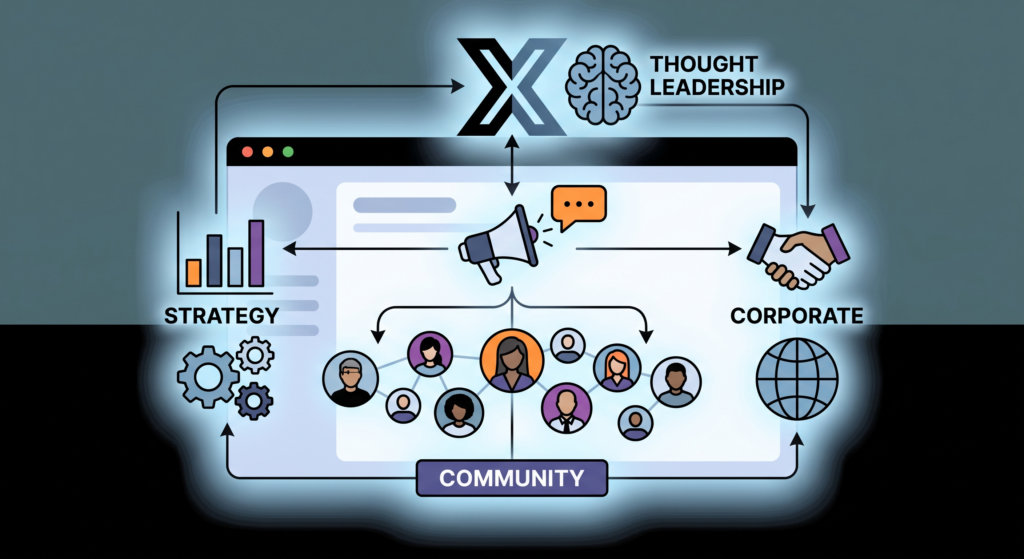
Thought leadership attracts followers. Community converts them into advocates. Brands that invest in community — replying to customers, elevating user-generated content, creating spaces for customers to connect with each other — generate compounding returns that pure content strategy never achieves alone.
Content Strategy: What High-Performing Brand Accounts Actually Post
After analyzing hundreds of brand accounts with significant engagement, clear patterns emerge in the content types that drive growth and community building.
Proprietary Data and Research
Nothing establishes authority faster than data only you have access to. If your product or service generates interesting aggregate data about behavior, trends, or performance, publish it. Frame it as industry intelligence rather than self-promotion. “Our platform analyzed 10 million posts last month. Here’s what we found about optimal posting times…” is infinitely more shareable than another generic social media tip.
Contrarian Takes (With Evidence)
Agree-with-everything content is forgettable. Thoughtful disagreement with conventional wisdom — backed by reasoning or data — creates conversation. This doesn’t mean being provocative for its own sake. It means being willing to say “here’s why the conventional advice on this topic is wrong” when you genuinely believe it and can support the position.
Behind-the-Scenes Content
Transparency builds trust. Share your decision-making process, your mistakes, your team’s thinking on industry questions. The brands that have built the most loyal X communities in recent years are often those that feel most like people rather than institutions.
Curated Content With POV
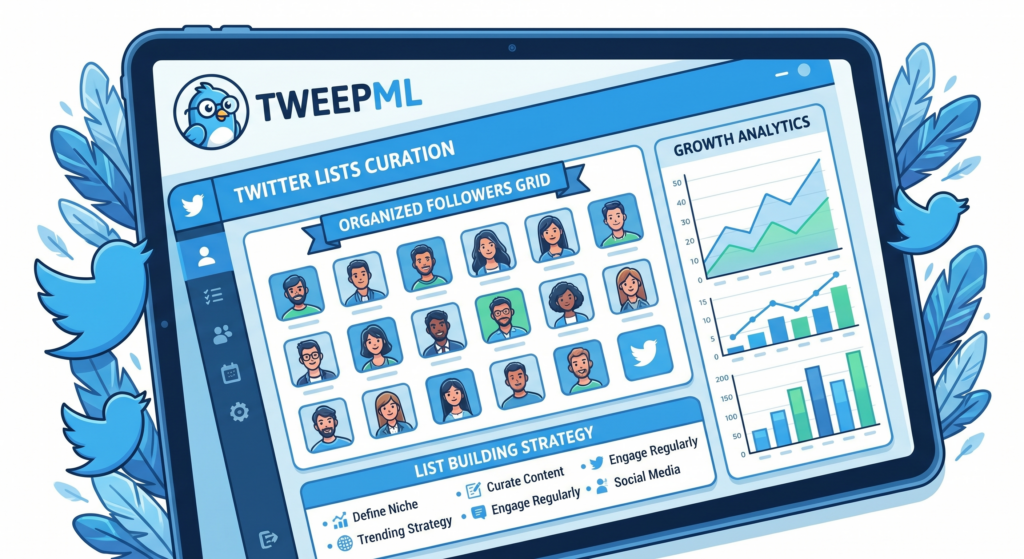
Sharing other people’s content adds value to your followers, but only if you add your perspective. “Here’s a great article” is minimal value. “Here’s why this study changes how we think about X — and what it means for [your audience]” is much better. TweepML lists can help you systematically monitor the best voices in your industry to identify the most share-worthy content.
Engagement Tactics That Build Real Community
Follower counts are a vanity metric. Community is measured in replies, mentions, user-generated content, and the genuine relationships your brand builds on the platform.
The Reply Strategy
Most brand accounts ignore their mentions except for customer service issues. Flip that script. Proactively find conversations in your niche using X’s search and Advanced Search features, and add genuine value to those conversations — even when your brand isn’t mentioned. This builds brand recognition and goodwill with exactly the audience you want to reach.
Elevating Your Community
Quote-tweet and repost customer successes, smart observations from your community members, and user-generated content that reflects your brand values. Make your community members feel seen and valued. When customers know your brand actively notices and amplifies their content, they become enthusiastic advocates.
Twitter/X Spaces as a Community Hub
Recurring branded Spaces are one of the most effective community-building tools available. Host weekly or bi-weekly conversations where customers, experts, and community members can join as speakers. Rotate guest speakers. Create a predictable schedule that community members plan around. Over time, these Spaces become the heartbeat of your brand community on X.
Strategic List Management with TweepML
Maintain curated lists of your most engaged customers, key industry voices, partners, and potential prospects. TweepML makes this systematic — you can organize, update, and monitor these lists efficiently without spending hours manually managing your X relationships. Regularly checking your community lists keeps you engaged with the right people and surfaces engagement opportunities before they go cold.
Building a Content Calendar for Brand Consistency
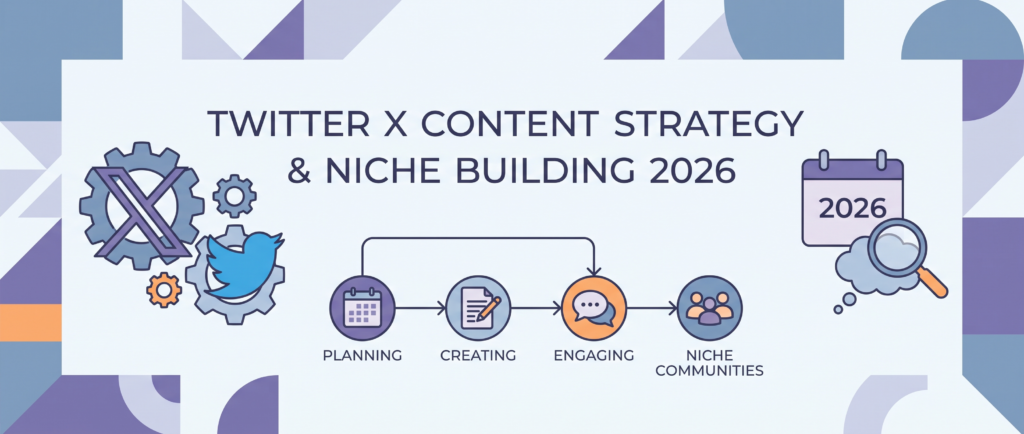
Thought leadership requires consistency. A brand that posts brilliantly for two weeks then goes silent for a month loses momentum and credibility. Structure is what makes consistency achievable.
The Content Mix Framework
A sustainable brand content mix for X might look like: 40% original insights and expertise; 25% community engagement (replies, elevating others); 20% curated content with POV; 15% product/company news (kept to a minimum to avoid the corporate feel). This ratio keeps the account valuable to followers rather than feeling like a promotional channel.
Batch Content Creation
Create content in batches rather than daily. Set aside 2–3 hours per week to draft a week’s worth of posts, review them for quality, and schedule them. This allows for better strategic thinking and avoids the “what do I post today” panic that leads to generic content.
Comparison: Brand Content Formats and Their X Performance
| Content Format | Engagement Rate | Follower Growth Impact | Time Investment | Best For |
|---|---|---|---|---|
| Data/Research Posts | Very High | High | High | B2B, tech, finance brands |
| Threads (5-10 posts) | High | High | Medium | Education, expertise brands |
| Single posts with image | Medium-High | Medium | Low | All brand types |
| X Spaces | High (live) | High | High | Community-focused brands |
| Polls | High | Low | Very Low | Audience research |
| Promotional posts | Low | Negative | Low | Avoid overusing |
Measuring What Matters: Beyond Vanity Metrics
Most brands track follower count and impressions. These matter, but they don’t tell the full story of community health and thought leadership impact.
Metrics Worth Tracking
Reply rate (what percentage of your posts generate replies) is a proxy for genuine engagement. Brand mention sentiment — are people talking about you positively, neutrally, or negatively? Share of voice — how often is your brand part of industry conversations compared to competitors? Inbound leads attributed to X — are sales prospects mentioning X as a discovery channel? These metrics connect X activity to business outcomes.
Frequently Asked Questions About Brand Building on Twitter/X
How often should a brand post on X?
Quality beats frequency. Posting 3–5 times per day with mixed quality is less effective than posting 1–2 times per day with consistently high value. Start with a frequency you can sustain, then increase gradually.
Should the brand account have a personality or stay neutral?
Personality almost always outperforms neutral corporate voice. Personality doesn’t mean being edgy — it means having a consistent, human point of view. Define 3–5 adjectives that describe your brand voice and apply them consistently.
How do we handle negative replies and criticism?
Respond to genuine criticism with honesty and without defensiveness. Thank the commenter, acknowledge valid points, and explain your perspective or how you’re addressing the issue. Delete or block only actual harassment or spam — deleting legitimate criticism is brand suicide in a public forum.
Do Twitter/X ads work for brand building?
X ads are best for amplifying organic content that’s already performing well, not for creating brand love from scratch. Run ads on your top-performing organic posts to extend reach. Don’t rely on ads to substitute for genuine content strategy.
How long does it take to build meaningful brand presence on X?
Expect 6–12 months of consistent effort before seeing significant community building results. Thought leadership compounds over time — every piece of great content adds to a body of work that makes the next piece easier to get traction.
Should we manage our X followers and lists?
Yes. Using tools like TweepML to maintain organized lists of customers, advocates, partners, and industry voices makes community management scalable. Manual management of these relationships becomes impossible at scale without the right tools.
Conclusion
Building brand thought leadership and community on Twitter/X in 2026 requires rejecting the corporate content playbook. The brands winning on the platform are those with a genuine point of view, a commitment to consistent valuable content, and a real investment in community over metrics. The tactics are learnable: proprietary data, contrarian takes, transparency, strategic community engagement, and smart tools like TweepML for list management. The differentiator is the will to actually say something worth listening to, consistently, over time. Start with one bold post this week and build from there.